
Event Description
The event began with talks that explored the intersection of climate change and invasive species, highlighting how changing climate conditions can enable alien species to spread and disrupt native ecosystems. These discussions helped participants understand why local action on invasive species is essential for building climate resilience. The talks also introduced the arboretum as a learning space and explained the purpose of the detection experiment, grounding the activity in both science and place.
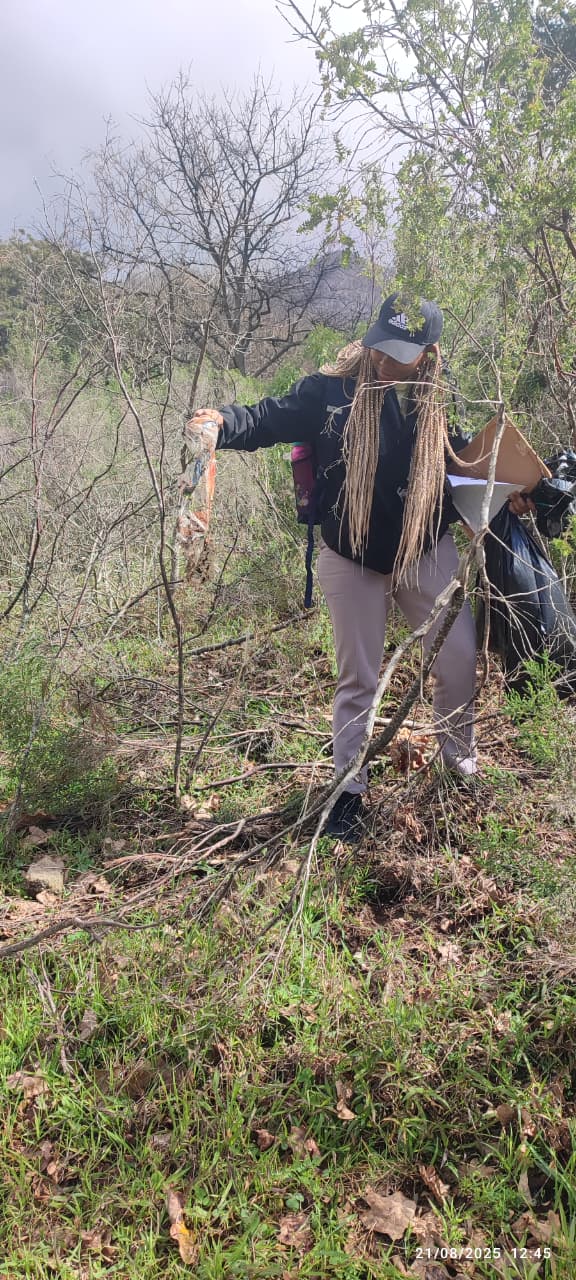
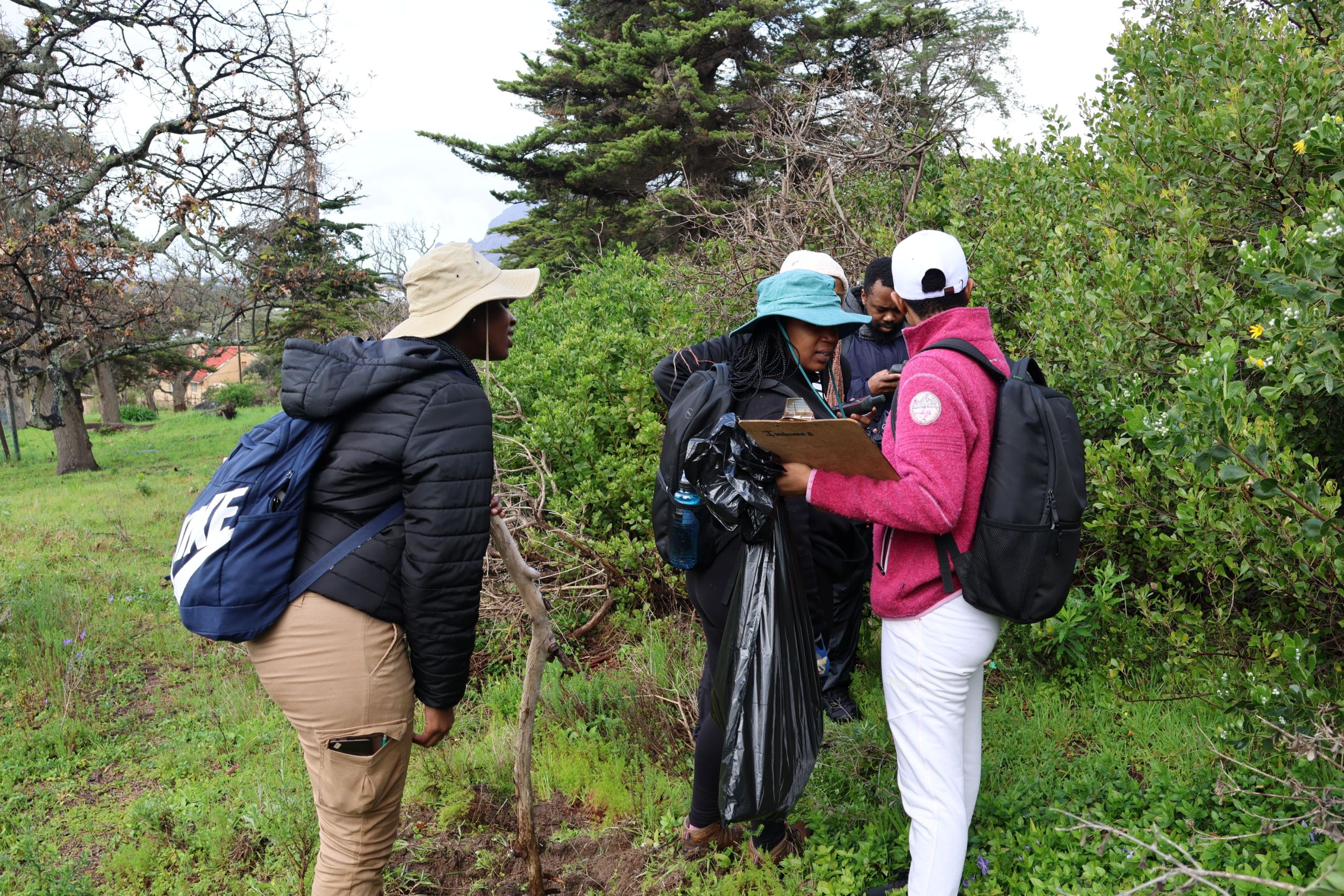
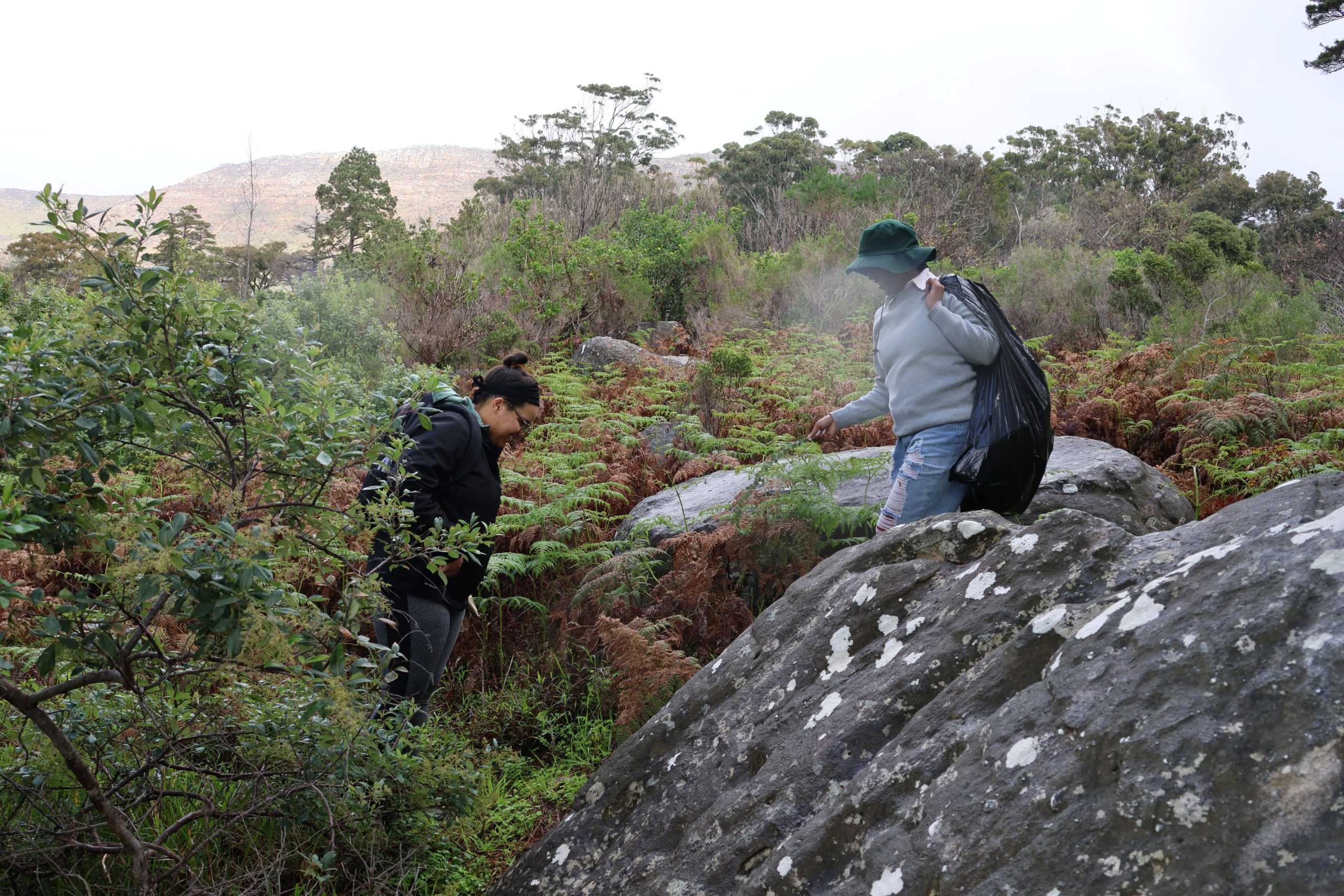
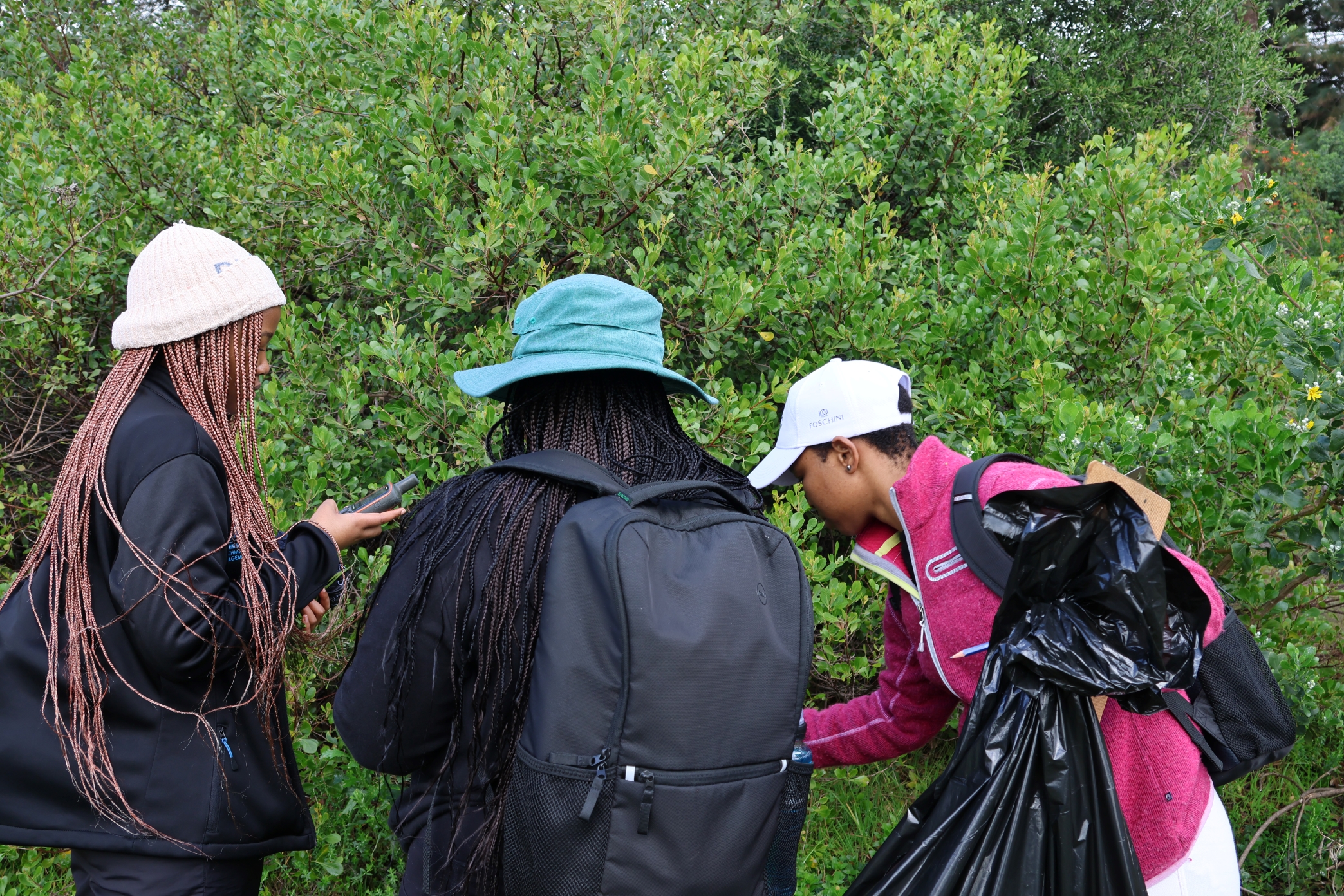
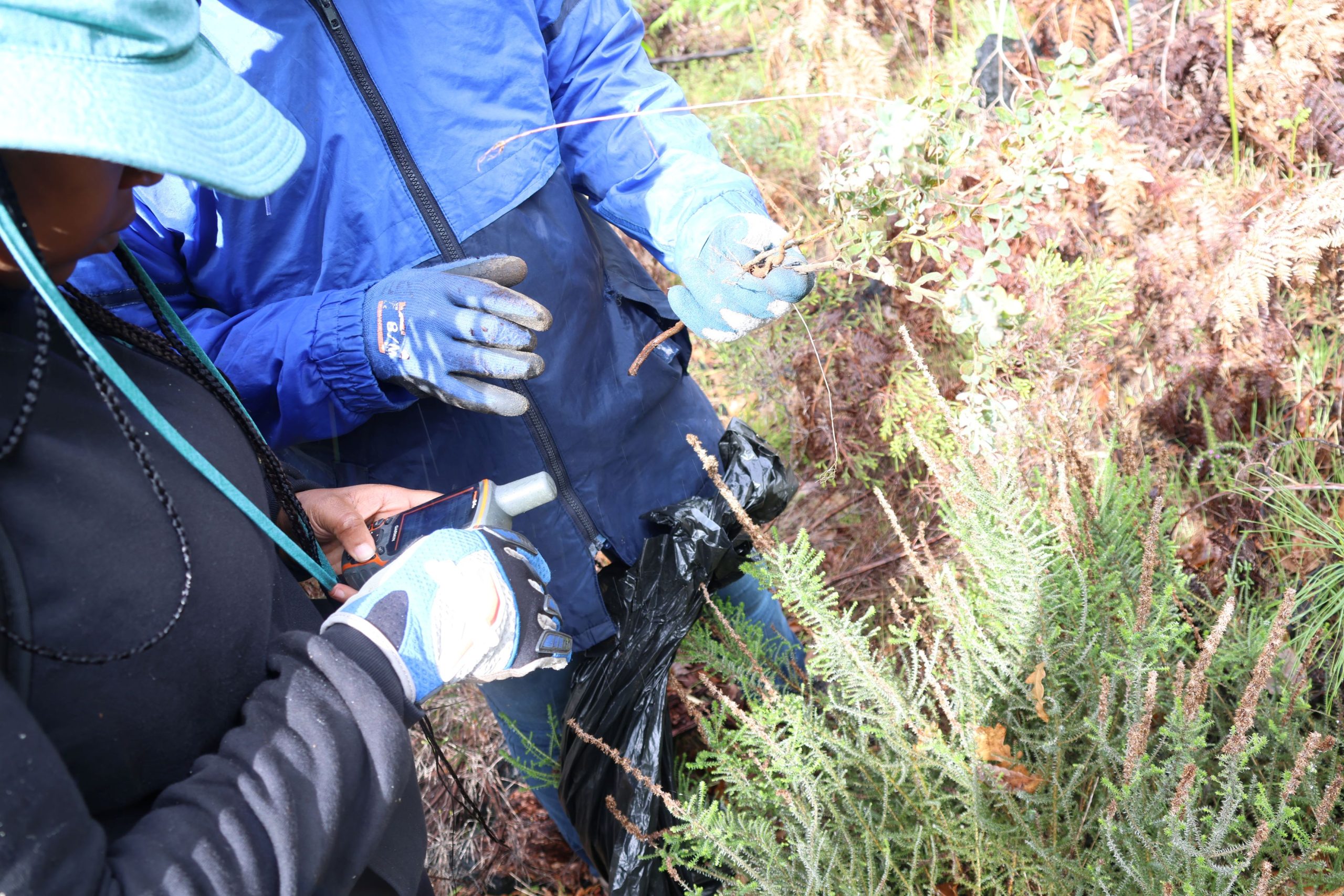
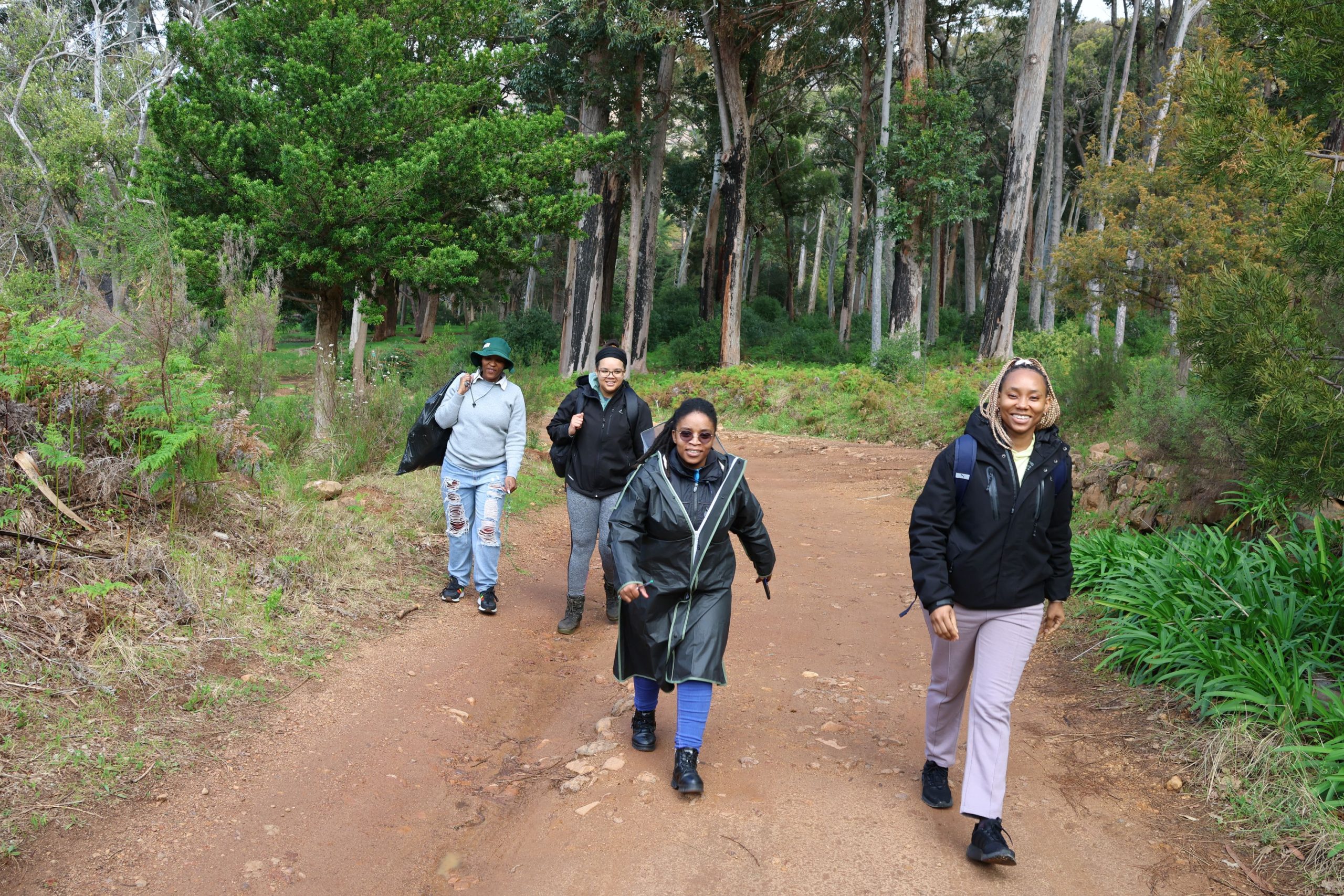
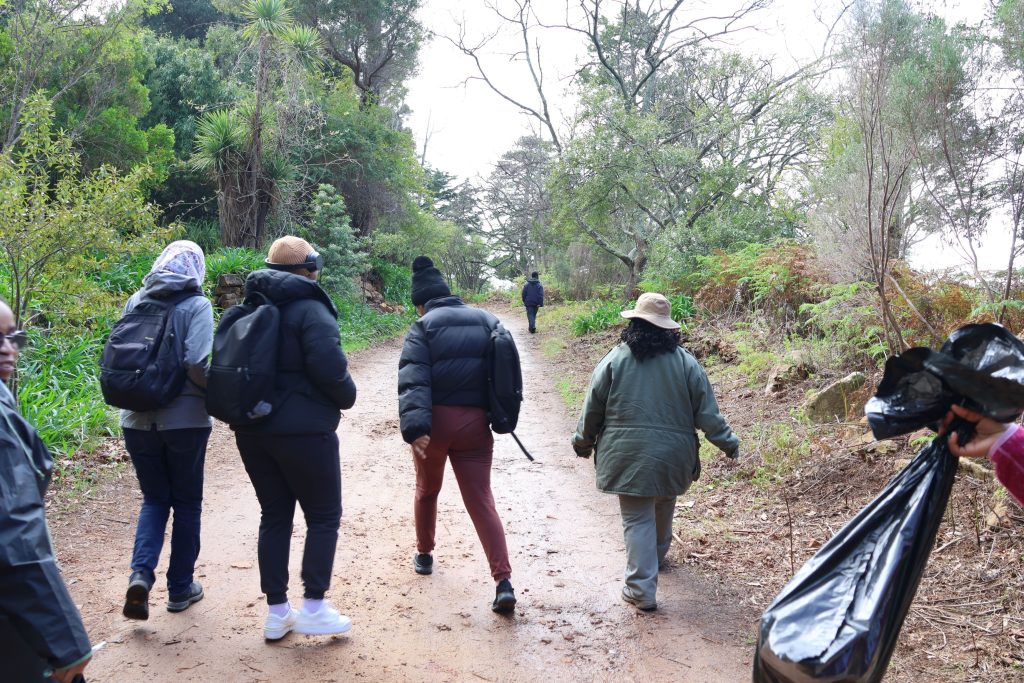
Following the talks, youth participants between the ages of 20 and 30 were divided into eight teams of three and sent into the field in a friendly competition. Each team spent around two hours detecting invasive alien plant species, recording their presence, and making observations about the surrounding environment. At the same time, we carried out a litter collection exercise. This mix of scientific observation and cleanup created not only a sense of responsibility and teamwork, but also excitement as teams competed to identify the most species and collect the most litter.
The event concluded with a prize-giving ceremony, where recognition was given to the team that detected the highest number of invasive species and the team that collected the most litter. This celebratory element reinforced the spirit of collaboration and made the learning experience enjoyable and memorable for the youth involved.